
Who Provides Short-Term Security After a Threat to Staff?
Short-Term Security During Periods of Elevated RiskImagine getting a call that stops you in your tracks.
Someone has made a threat toward one of your employees. Maybe it’s a physician. Maybe it’s a member of leadership. Either way, it’s serious enough that people are uneasy and you’re trying to figure out what to do next—quickly, but not recklessly.
We get calls like this more often than you might think.
Most of our work at Defender One is focused on onsite security—helping organizations prevent issues before they start. But sometimes situations escalate for reasons completely outside a client’s control. When that happens, our role shifts from prevention to supporting people through a temporary spike in risk.
Adding Security Guard Coverage for a Specific Period
When a threat comes up, a lot of organizations assume they either need to “do nothing” or “do everything.” In reality, there’s usually a middle ground.
Short-term security is about adding coverage for a specific period of time, often days or weeks, while the situation is being worked through. It’s not about changing how you operate forever. It’s about keeping people safe and giving leadership breathing room.
We see this after employee terminations, patient disputes, or situations where someone’s behavior crosses a line and suddenly changes the risk profile of an otherwise normal workplace.
Armed vs. Unarmed: The Question Everyone Asks
One of the first things people ask us is whether the security should be armed.
The honest answer? It depends on the risk.
A professional security response starts with understanding the threat, not defaulting to the highest level of force.
In many cases, unarmed security guards are enough. A visible, professional presence can go a long way toward deterring behavior, controlling access, and reassuring staff, especially in healthcare and professional environments where discretion matters.
Armed security guards come into play when there’s a credible, direct threat involving violence, weapons, or a known individual who may return to the site. When that happens, armed coverage is used intentionally and temporarily, with clear expectations and oversight.
The goal is never intimidation. It’s appropriate protection.


How We Think Through These Situations
Because onsite security is our core service, we don’t look at short-term coverage in isolation. We look at how it fits into the environment that’s already there.
When someone calls us after a threat, we talk through things like:
- What actually happened and how specific the threat was
- Who is at risk and where exposure exists
- What the space looks like and how people move through it
- Whether visibility or discretion makes more sense
From there, we recommend what we think is reasonable—whether that’s unarmed security, armed security, executive protection for a specific person, or a phased approach as the situation settles down.
Sometimes that means stepping in strongly at first and then scaling back. Sometimes it means adding just enough presence to stabilize things.
Why Experience Matters in Sensitive Environments
Short-term security after a threat is as much about judgment as it is about staffing.
In places like medical offices, radiology centers, and professional workplaces, security has to protect people without becoming the focus of the space. When it’s done right, most people barely notice it’s there—they just feel more comfortable doing their jobs.
That’s the balance we aim for.
A Practical Response to a Tough Moment
No one wants to be making security decisions under stress. But when situations escalate, having a level-headed partner matters.
Short-term security works best when it’s calm, adaptable, and grounded in real experience—not fear or overreaction.
If you’re dealing with a temporary security concern and aren’t sure what level of coverage makes sense, we’re happy to talk it through. Sometimes the right answer is less than you expect. Sometimes it’s more. The important thing is that it fits the situation.
Common Questions About Short-Term Security After a Threat
My employee was threatened. What do I need to do to keep my team safe?
Start by taking the concern seriously and focusing on immediate safety. That often means limiting access, increasing visibility, and creating a sense of control while the situation is being addressed through HR, legal, or law enforcement.
Short-term security can help stabilize the environment and reassure staff during this period, especially when people are shaken or unsure what to expect next.
Is it possible to add security guards for only a few weeks?
Yes. Many post-incident situations call for security coverage that lasts days or weeks—not indefinitely.
Short-term security is designed to address a defined period of elevated risk and can be adjusted or scaled back once the situation stabilizes.
How can I add security to protect my team after an incident?
In many cases, security can be added temporarily without changing how your organization operates day to day. This might include unarmed onsite security for visibility and access control, or armed coverage when the threat is more serious.
The right approach depends on what happened, who may be at risk, and how your space functions.
How can I protect an executive or physician after a threat?
When a specific individual has been targeted, it’s important to understand the circumstances of the threat and working environment.
Our onsite security teams can help with added security at entrances and within shared spaces. They can also ensure doors are locked, patrol parking lots, and monitor cameras.
For added security, that individual may need executive protection. These are guards trained to project clients during travel and public outings. They conduct threat assessments and assist with route planning to ensure safe movement.
How long does it take to add security guards to our site?
Timing depends on the scope of coverage and the level of security required, but short-term security is often deployed quickly once the situation is understood.
The first step is talking through what happened so the response matches the risk—without overcorrecting.
Who can help us decide what level of security makes sense?
Our experienced team knows how to evaluate a situation and determine the best level of security based on the unique circumstances. The best thing you can do is act fast. Contact our team today to start a conversation.
Concerned About Your Team’s Safety?
When something happens, timing matters. It also helps to talk with someone who has handled situations like this before. A short conversation will help you understand your options and decide what level of security makes sense for your situation.
Additional Resources from Defender One
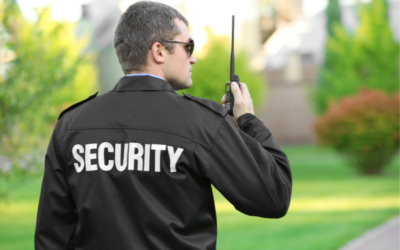
Crowd Management Security: When to Add Extra Coverage
Every property has its peak times, whether that’s a packed event, a busy season, or a stretch when the site sits empty. Learn how to spot your most vulnerable moments and when supplemental security coverage can keep people safe, problems in check, and operations running smoothly.
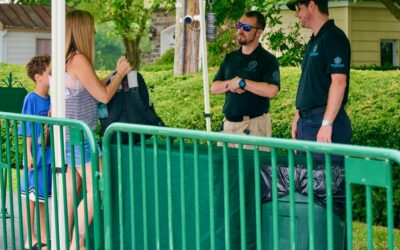
Where Hospitality Ends, Security Begins.
For decades, Conrad’s Ruth Villa ran on relationships, not rules. As the Middle River venue grew to 20,000+ guests a year, owner David Conrad knew it was time for specialized expertise. Here’s how Defender One built security guidelines that protect guests and preserve the hospitality they love.

What’s In Your Security Report? (And Why It Matters More Than You Think)
Most organizations check the box the moment a guard is posted at the door. But a body in a uniform isn’t a security program — a real program is something you can see. Here’s what a security report should actually tell you, and what it means if you’ve never gotten one…