
Crowd Management Security:
When to Add Extra CoverageMost security plans are built around a normal day: typical foot traffic, regular hours, familiar faces. But few properties stay “normal” all year. A holiday weekend, a sold-out event, a seasonal rush, or even a stretch of time when a site sits empty can change your risk overnight.
That’s where supplemental security coverage comes in. Adding guards or procedures around specific events, times of year, or known vulnerabilities helps you stay ahead of problems instead of reacting to them. Here’s how to tell when you need it and what good crowd management looks like in practice.
What Is Supplemental Security Coverage?
Supplemental coverage is temporary or scheduled security added on top of your everyday protection. It might mean:
- Extra guards on-site for a high-attendance event
- Expanded hours during a seasonal peak
- Additional patrols during times your property is most exposed
- New procedures, like bag checks, wristbands, or controlled entry points, for a specific gathering
The goal is to match your security presence to your actual risk, which for many rises and falls throughout the year.

Signs You Need Extra Security Coverage
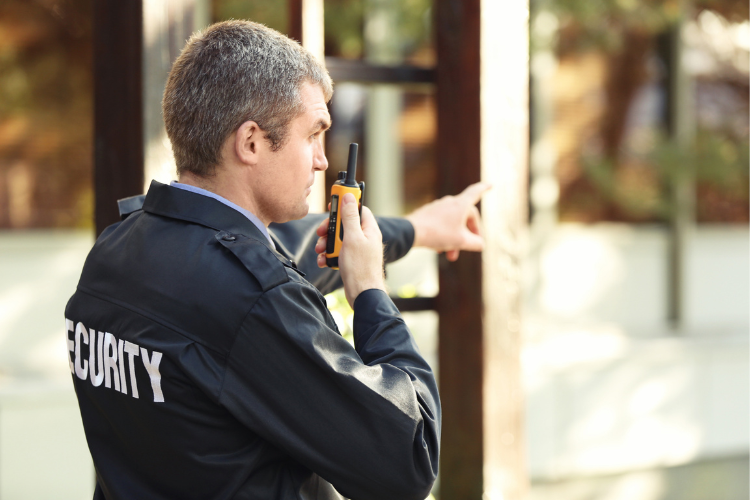
A change in attendance, activity, or staffing is a good reason to reassess your security plan. If you expect more visitors than usual, crowded entrances, or parking that spills beyond your property, your regular coverage may need support. Alcohol service, high-profile guests, and unfamiliar vendors can also add demands that deserve advance planning.
Consider how much your staff can realistically manage. Employees handling check-ins, serving guests, or coordinating an event may have little time to monitor access or respond to a developing conflict. Previous incidents, recurring complaints, and bottlenecks during similar gatherings can help identify where additional coverage would be useful.
An empty property deserves attention, too. Extended closures, reduced staffing, and project pauses can leave buildings, equipment, and materials exposed.
Start by reviewing last year’s calendar. Look for spikes in attendance, incidents, complaints, or periods when the property was unattended. Those patterns provide a practical starting point for planning extra coverage.
What Effective Crowd Management Looks Like
Effective crowd management security starts before guests arrive. Reviewing the layout, expected attendance, access points, parking, and staff responsibilities helps determine where guards are needed and what they should monitor. Clear assignments and communication procedures give everyone a shared plan.
During an event, coverage may include guest check-ins, credentials or wristbands, and clearly marked entry points to keep arrivals orderly. A visible, courteous security presence gives guests someone to turn to and helps staff enforce venue policies consistently. Roving guards can monitor parking lots, common areas, and secondary entrances, addressing small issues before they disrupt the event.
Emergency procedures should also be part of the plan. Guards need to understand how to report an incident, keep emergency access clear, and coordinate with police, fire, or EMS when necessary. For unattended properties, the focus may shift to scheduled patrols, access checks, and overnight monitoring.
The right combination depends on the property and the situation. Additional coverage should address specific gaps while supporting a smooth, welcoming experience.
When Different Industries Need Extra Coverage
Every industry has periods when its usual security coverage needs reinforcement. For some, that means managing a surge of visitors; for others, it means protecting a property when activity slows or stops. Here are common situations where supplemental security can help.
Hospitals and emergency departments during peak demand. Busy periods can bring crowded waiting rooms, longer waits, and heightened stress. When an emergency department anticipates heavier patient volume, supplemental guards can support access control, monitor waiting areas, and respond to conflicts so clinical staff can focus on care. Staffing decisions should follow the facility’s own traffic patterns and incident history.
Universities during move-in and major campus events. Move-in brings students, families, vehicles, and deliveries onto campus within a short window. Open residence hall doors and belongings left in cars or hallways create additional concerns. Supplemental guards can help direct traffic, monitor building access, and provide a visible point of contact during these busy transitions.
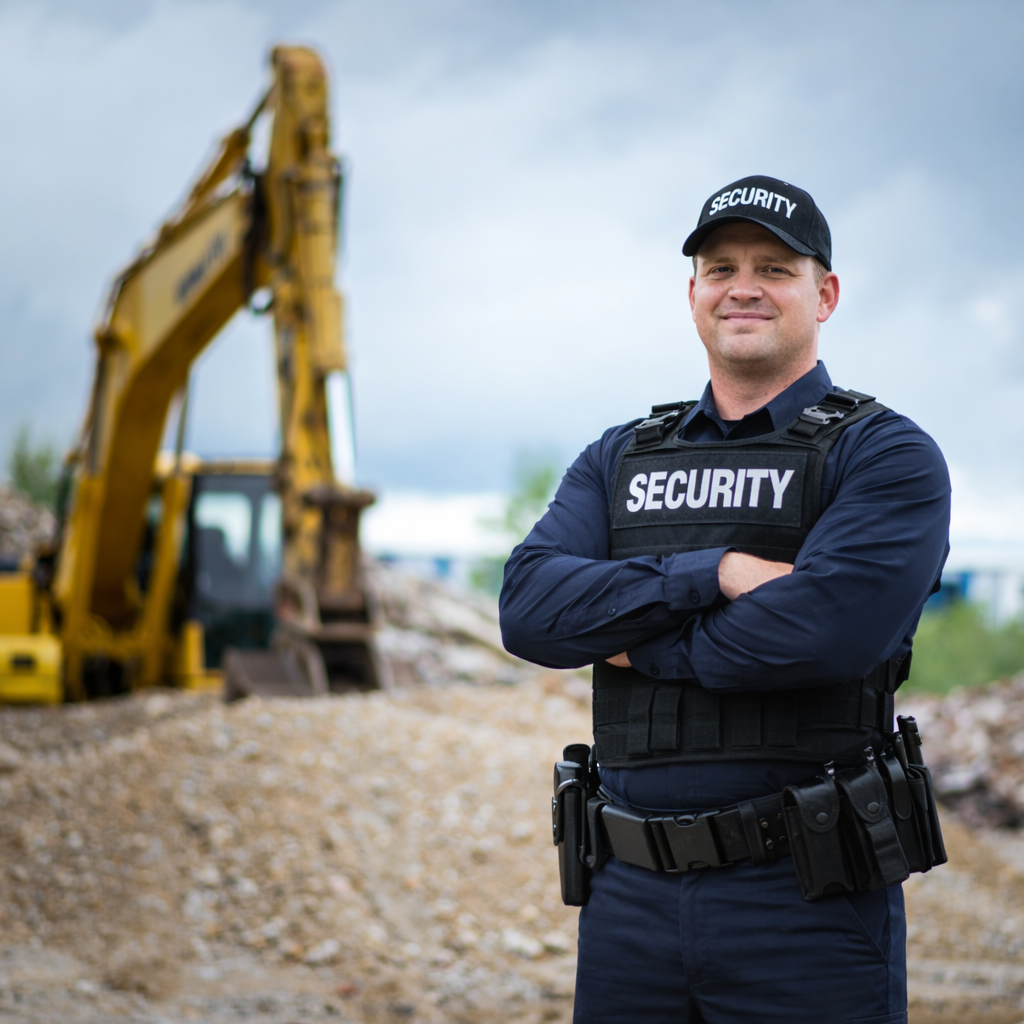
Construction sites after hours and during project pauses. Extra coverage can be just as valuable when activity stops. Construction sites may need additional patrols or overnight guards when tools, equipment, and materials remain on-site through weekends, holidays, or extended shutdowns. Coverage can help deter theft and vandalism and identify unauthorized access.
Restaurants, event venues, and hospitality businesses during busy periods. Holiday gatherings, seasonal crowds, and overlapping events can put added pressure on entrances, parking, and hospitality staff. Hospitality security helps businesses manage those demands while keeping the guest experience welcoming.
At Conrad’s Ruth Villa, a waterfront catering venue in Middle River, growing attendance and a broader mix of events created a need for more structured security guidelines. Defender One worked with the venue to develop policies suited to its operations, with ongoing reviews after events to identify improvements. The experience illustrates how professional security can support staff and protect guests while preserving a venue’s welcoming atmosphere.

Plan Ahead for Your Next Peak
The best time to address a security gap is before a crowded entrance, an overwhelmed team, or an unattended property exposes it. Planning ahead gives you time to assess changing risks, establish clear procedures, and put the right coverage in place.
Supplemental security works best as part of a coordinated plan, with guards who understand your property, your policies, and their responsibilities. Defender One’s on-site security services support everyday protection, while private event security adds coverage for gatherings and peak periods across Maryland, Washington, D.C., and Pennsylvania. Together, these services help you adapt to changing demands while supporting your staff and maintaining a welcoming environment.
Whether you’re preparing for a seasonal rush, a major event, or a scheduled closure, start by identifying where your current coverage may fall short. Use our Free Security Scorecard to evaluate potential gaps, or talk to a security expertabout a plan tailored to your property and schedule.
When Your Security Needs Change, Be Ready.
From crowded events to quiet overnight hours, your coverage should match your risks. Defender One builds supplemental security plans around your property, schedule, and staffing needs—helping you protect guests, support your team, and keep operations running smoothly.
Additional Resources from Defender One
Where Hospitality Ends, Security Begins.
For decades, Conrad’s Ruth Villa ran on relationships, not rules. As the Middle River venue grew to 20,000+ guests a year, owner David Conrad knew it was time for specialized expertise. Here’s how Defender One built security guidelines that protect guests and preserve the hospitality they love.

What’s In Your Security Report? (And Why It Matters More Than You Think)
Most organizations check the box the moment a guard is posted at the door. But a body in a uniform isn’t a security program — a real program is something you can see. Here’s what a security report should actually tell you, and what it means if you’ve never gotten one…

Security That Knows Your Facility’s Culture
The JCC of Greater Baltimore’s events-driven campus needs guards who know the community, not just the building. Read the case study to see how Defender One’s consistent armed and unarmed coverage, hospitality-minded approach, and law enforcement experience support staff, members, and families every day.