
The Risks of Inexpensive Security Guards?
When organizations evaluate security services, cost is often the first point of comparison.
On the surface, choosing the lowest hourly rate can seem like a responsible financial decision. After all, a uniformed presence is a uniformed presence, right?
In reality, selecting inexpensive security personnel can introduce operational, legal, and reputational risks that may not be apparent during the proposal stage. Gaps in training, supervision, or experience often remain hidden during routine operations and only become evident when an incident occurs — at which point the consequences may already be outside your control.
Here’s where organizations can run into trouble when security guard service is evaluated on cost alone.
Inconsistent Training Standards
Lower-priced security guard providers often reduce operational costs by limiting training requirements for their guards.
This can result in personnel who may meet basic licensing requirements but lack preparation in:
- Conflict de-escalation
- Access control procedures
- Incident documentation
- Emergency response coordination
- Communication with leadership or law enforcement

Security personnel are frequently the first point of contact during an unexpected situation. Without proper training, even routine incidents can escalate unnecessarily, creating disruption or liability for your organization.
This is why Defender One goes beyond basic licensing requirements as part of our training requirements. Our personnel are prepared to operate within professional environments through ongoing instruction in situational awareness, de-escalation techniques, site-specific procedures, and clear incident documentation, helping ensure that guards are equipped to manage day-to-day interactions as well as unexpected events in a calm, consistent manner.
Higher Turnover & Staffing Gaps
One of the most common challenges associated with inexpensive security services is security guard turnover.
When security personnel are underpaid or insufficiently supported, retention becomes difficult. This often leads to:
- Frequent staffing changes
- Guards unfamiliar with your facility
- Missed site-specific procedures
- Coverage gaps or last-minute call-outs
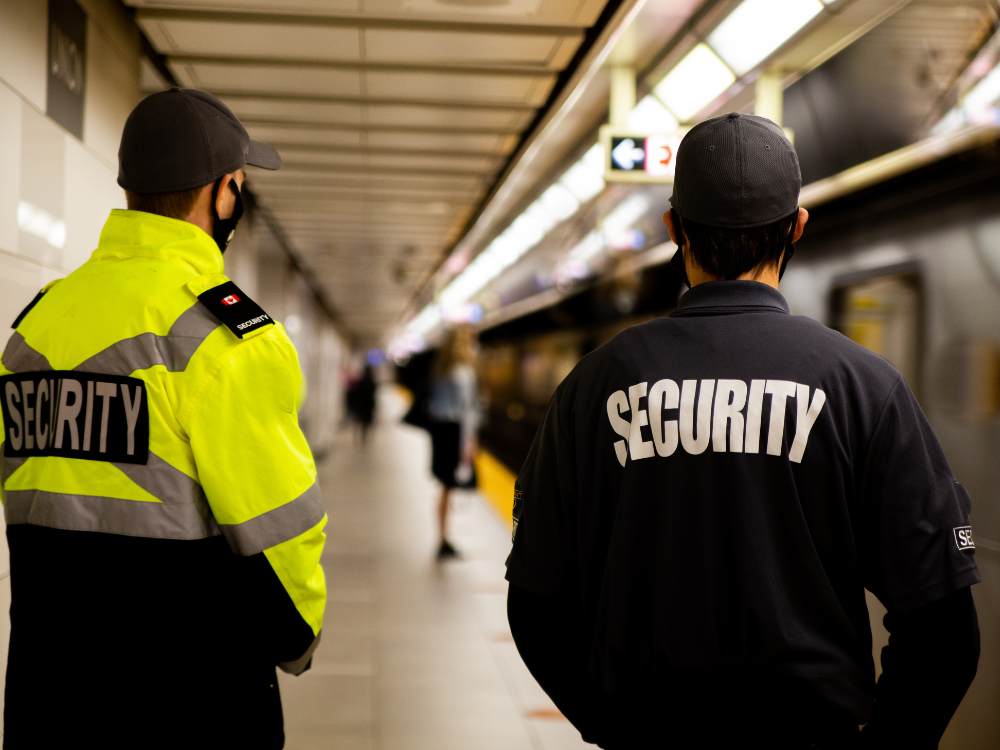
Consistency matters in professional security environments such as healthcare facilities, schools, corporate offices, and residential communities, where familiarity with people, routines, and protocols contributes to overall safety.
As a smaller firm, Defender One remains directly connected to both its personnel and its clients — enabling responsive support, clear communication, and a consistent point of contact on both sides of the assignment. This approach helps reduce unnecessary turnover, maintain continuity from shift to shift, and support a more stable security presence over time.
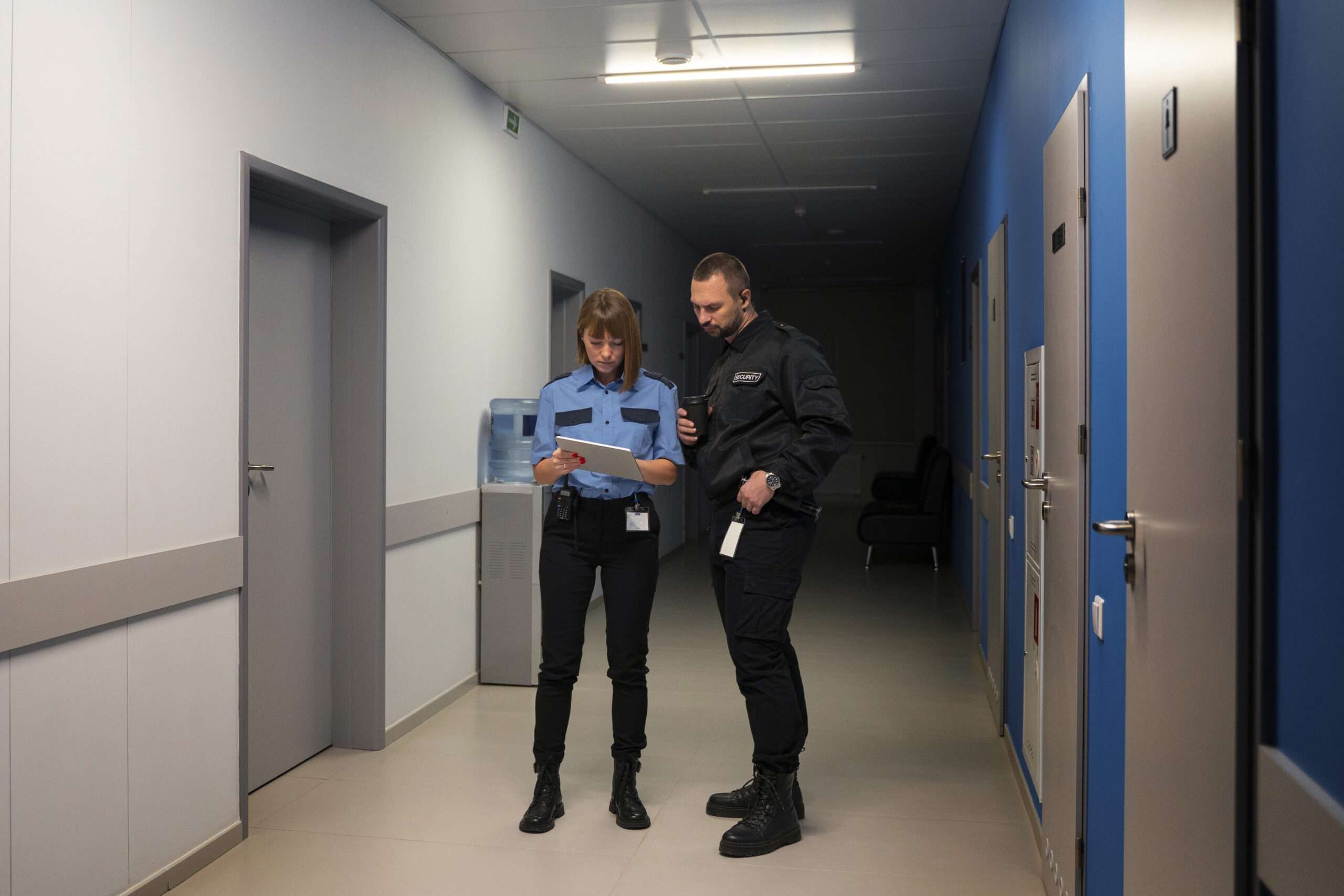
Limited Supervision & Accountability
Effective security requires oversight.
Lower-cost providers may operate with minimal field supervision or site management support in order to maintain their pricing structure. Without proper supervision:
- Post orders may not be consistently followed
- Reports may lack detail or accuracy
- Incident response may vary from shift to shift
- Performance issues may go unaddressed
Supervision helps ensure that security personnel are not only present, but operating according to your expectations and established procedures.
Defender One’s model includes dedicated site coordination and active supervisory support to help maintain consistency across shifts. Security guards operate with clearly defined post orders and reporting expectations, with leadership accessible to both personnel and clients when questions or concerns arise. This structure supports accountability in day-to-day operations and helps ensure that assigned personnel are aligned with site protocols and client expectations.
Insurance May Not Cover Preventable Errors
In the aftermath of a security incident, insurers often examine whether assigned personnel were properly trained and whether established procedures were followed.
If an undertrained guard responds improperly — such as using excessive force, detaining someone incorrectly, mishandling an emergency, or failing to follow site protocol — your organization may still face legal claims related to that response.
Hiring a third-party security company does not automatically transfer responsibility away from your business. In certain circumstances, liability can extend to the client site, particularly if actions taken on your premises are viewed as negligent or outside accepted procedure.
Lower-cost security guard providers may struggle to consistently meet training and supervision standards that insurers expect to see during incident reviews. When documentation is incomplete or a guard’s response is determined to be preventable, organizations may encounter: increased premiums, denied claims, and coverage limitations.
The initial savings from a lower hourly rate can quickly be offset by expenses that were never anticipated during contract negotiations.
Make a Risk-Informed Security Decision
Security should be evaluated based on total risk exposure, not hourly cost alone. Factors such as personnel training, supervisory support, reporting standards, and consistency in staffing all contribute to how effectively a security presence can prevent, manage, or respond to incidents. Remember evaluating these elements upfront can help reduce operational disruption, support compliance requirements, and limit potential liability over time.
If you’re reviewing your current security coverage or comparing providers, Defender One can help assess what level of protection makes sense for your organization’s environment and operational needs.
Contact Defender One today to schedule a security assessment and discuss a solution tailored to your facility.
Reviewing Your Security Guard Coverage?
Choosing the right security guard partner involves more than comparing hourly rates. A short conversation can help you understand the level of training, supervision, and consistency that best fits your organization’s needs.
Common Questions About Hiring A Security Guard Company
What questions should you ask before hiring a security guard company?
Organizations evaluating a security provider should ask about training requirements, background screening, field supervision, incident reporting procedures, and guard retention rates. It is also helpful to understand how the company handles staffing changes and whether a dedicated supervisor or account manager will oversee the assignment. These details provide insight into how the service will function day to day.
Are all licensed security guards trained the same way?
No. Licensing requirements typically establish minimum standards, but training programs can vary widely between security companies. Some providers invest in ongoing professional development, scenario-based training, and site-specific preparation, while others may rely primarily on basic licensing requirements. The depth of training can influence how confidently guards handle real-world situations.
How often should organizations review their security coverage?
Security needs can change as facilities expand, operations shift, or risk factors evolve. Many organizations benefit from reviewing their security coverage periodically to confirm that staffing levels, procedures, and training standards still align with their operational environment and safety expectations.
Can hiring a security guard company reduce your organization’s liability?
Working with a professional security provider can help reduce risk, but it does not eliminate responsibility entirely. Organizations should ensure the company they hire maintains proper insurance coverage, training documentation, and clear operational procedures. These factors help demonstrate that reasonable security measures are in place if an incident occurs.
The first step is talking through what happened so the response matches the risk—without overcorrecting.
Considering a Change to Your Security Coverage?
Not all security programs are structured the same. A quick conversation can help you evaluate training standards, supervision, and operational consistency so you can make an informed decision for your organization.
Additional Resources from Defender One

Is Your Security Guard Asleep on the Job? Here’s What It Really Means
Your Guard Was Sleeping. Why Haven't You Changed Providers? It happens more than the security industry likes to admit. A manager walks the floor, checks a monitor, or steps outside — and finds their security guard asleep on post. Maybe it's happened to you. Maybe it...

The High Cost of Waiting: Why Delaying Security Decisions Can Put Your Organization at Risk
There's a particular kind of logic that takes over during uncertain times. It sounds responsible. Careful. Financially disciplined. "Let's wait." Wait until budgets stabilize. Wait until there's more clarity. Wait until something actually happens. For many...

Is Your Child Protected?
You’ve checked the schedule, met the staff, and read the reviews. But there’s one question most parents don’t ask: If something unexpected happened, would anyone be ready? Most environments that serve children are built with good intentions. They’re designed to be...